Top tips for supporting a loved one with dementia
Insights from Vicky Evans, My Life TV co-production panel member

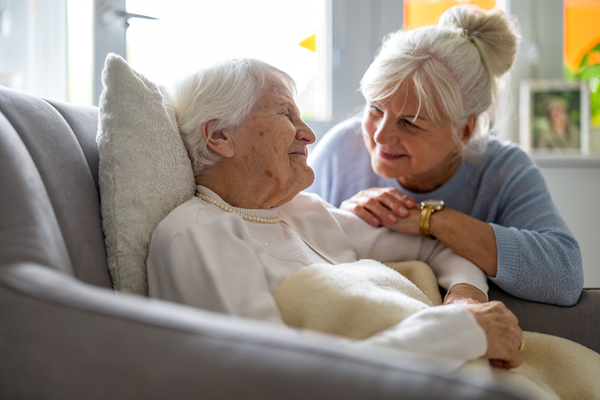

Vicky Evans is a Dementia Link Worker with the Memory Clinic in Hounslow and a member of the My Life TV co-production panel. She supports people living with dementia to stay connected with their communities, and she also has personal experience caring for her mum who has dementia. Drawing on both roles, Vicky has put together her top ten tips for carers and families.
Every person’s experience of dementia is unique. There are many different types of dementia, and it can affect people in different ways. Still, these practical tips are strategies Vicky has found helpful time and time again.
Friends and family often struggle to know how to stay connected after a dementia diagnosis. Tools like My Life TV and reminiscence media (photo books, music playlists) can help start conversations, evoke memories, and create shared moments.
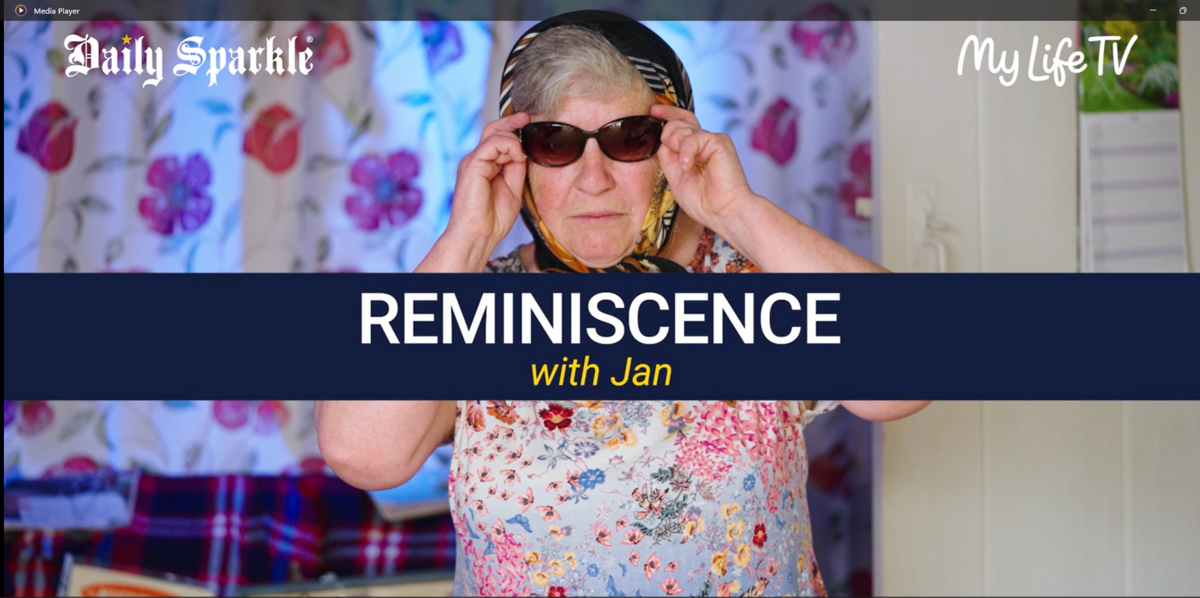
My Life TV's Reminisce with Jan series, created in partnership with The Daily Sparkle, is an excellent reminiscence tool for engaging people with dementia.

It’s essential to speak to adults as adults, even when their abilities change. Using respectful language, speaking directly to the person and including them in conversations helps maintain their sense of identity and self-worth.
Having meaningful activities throughout the day can reduce boredom, restlessness and low mood. If someone has always loved quizzes, sports, knitting or music, adapted and dementia-friendly versions of these activities can help them stay engaged and feel like themselves.
This My Life TV music quiz is a great example of entertaining activities you can do with someone living with dementia:

Wherever possible, involve the person living with dementia in decisions about their care. Talking about what makes them anxious, how they prefer to be spoken to, and what they want help with allows them to stay in control and helps carers offer consistent, personalised support. This example care plan from the Alzheimer's Association in the USA is a useful template for you to start from.
Staying physically active, even in small ways, supports mood, sleep and cardiovascular health. Gentle options - like the My Life TV chair yoga series featured below - or walking or simple stretching can make a big difference and can be adapted to someone’s ability and energy levels.
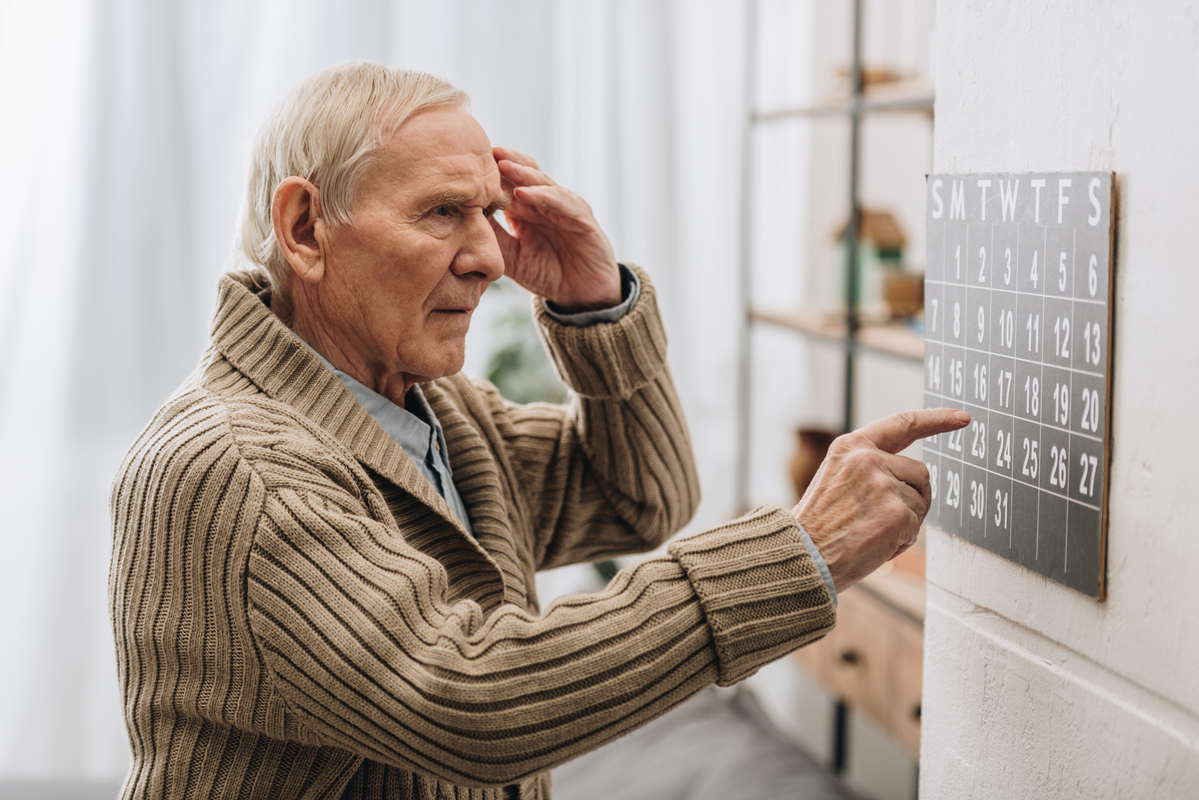
Large clocks or calendars that clearly show the time, date and whether it is morning or evening can help reduce confusion. These simple tools make it easier for people living with dementia to orient themselves in time and feel more secure.
Some people become more agitated or confused later in the day, a pattern known as sundowning. Quiet surroundings and gentle, calming content like My Life TV's A Walk in the Woods - an original production to mark Dementia Action Week 2025 - can help create a peaceful atmosphere and support better sleep:

Taste and texture preferences often change with dementia as senses alter and swallowing can become more difficult.
Foods that were once favourites may no longer appeal, so it can take some gentle experimentation to find meals that are enjoyable and easy to eat.

Dementia can affect vision and how the brain interprets surroundings. Shiny floors might appear like water and reduced peripheral vision can make spaces harder to navigate. Using contrasting colours and reducing visual clutter can make environments feel safer and less confusing.
This NHS guidance How to Make Your Home Dementia-Friendly is packed with useful information.

Drinking enough can be a challenge, so offering fluids in different forms, such as jelly drops, ice lollies, fruit or flavoured water, can help. Hydration doesn’t have to mean just glasses of water; variety can make it more appealing and easier to maintain.
My Life TV offers a wide variety of carefully selected and created content to meet the cognitive needs of people living with dementia. Our programmes include specially produced quizzes, singalongs, drawing and chair yoga, as well as animal and nature programmes, feel good content, popular shows from the 1960s onwards and more.
It has been seen to improve the mood and wellbeing of people living with dementia, providing moments of calm, joy or stimulation as needed.